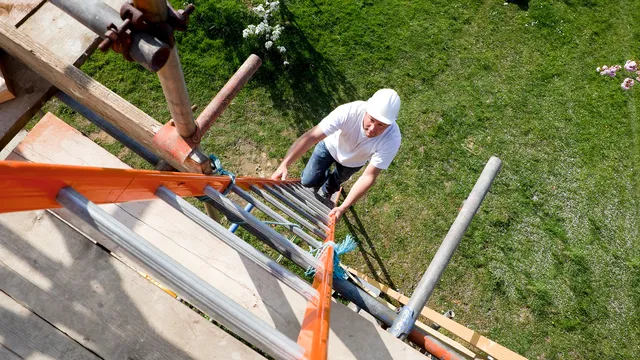


Installing solar panels is a major project that involves several steps. Proper preparation helps optimize system performance, ensure compliance and maximize long-term benefits. Here are five best practices to guide you.
1. Work with the right experts from the get‑go
Designing, selecting and installing a solar photovoltaic system requires specialized expertise. Consult qualified partners early in the project to assess feasibility, technical constraints and the technology options best suited to your situation. This approach helps avoid costly changes during implementation and ensures a safe installation that meets Hydro‑Québec’s requirements and applicable regulations.
2. Choose qualified and authorized contractors
To ensure your installation is safe and compliant, it’s essential to work with professionals who have the required skills and licenses. Best practices include:
- choosing specialized contractors with a valid license from the Régie du bâtiment du Québec
- hiring a master electrician to carry out the electrical connection work
- making sure the contractors have professional experience with solar photovoltaic systems connected to the grid, ideally with a recognized certification (e.g., North American Board of Certified Energy Practitioners [NABCEP])
- ensuring the contractors have a solid understanding of Hydro‑Québec’s applicable requirements and standards
3. Understand the costs and potential savings
The cost of a solar photovoltaic system varies based on several factors, including panel capacity, the number of modules installed, system components (inverter, mounting structures and cables) and any additional work required.
Potential savings depend on energy use patterns, the type of installation and climate conditions. A decision‑support tool will be available to residential customers who want to evaluate their potential savings. For business customers, a more detailed analysis is generally recommended to account for capital expenditures and operating costs.

Did you know?
Each installed kilowatt can produce up to 1,200 kWh per year – that’s about 6,000 kWh for a 5‑kW installation.
4. Optimize the location and configuration of the panels
A building’s roof is generally the preferred location to install solar panels. However, it’s best to assess the condition of the roof and its structural capacity beforehand.
When site conditions allow, solar panels can also be installed on ground‑mounted structures or independent supports.
The system’s performance depends on the type of panel and on how the installation is optimized: south‑facing orientation, tilt that allows snow to slide off, minimal shade, adequate ground clearance and site configuration. In specific situations, bifacial panels may provide improved performance, particularly when the surface beneath them effectively reflects the light.
Before moving ahead with installation, verify applicable municipal regulations and government standards, which vary depending on the municipality and installation method (on a roof or on the ground).
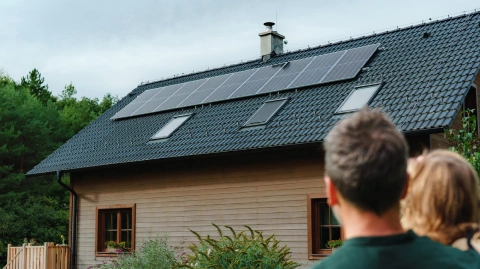
5. Plan for the system’s operation, maintenance and evolution
Solar photovoltaic panels require little maintenance. Periodic visual inspections help ensure the modules and electrical connections remain in good condition. For recommendations specific to your system, consult the designer, distributor or installer.
In most cases, it isn’t necessary to clear snowfall off the panels. A well‑designed installation with adequate tilt and a mounting height of about 45 cm (18 inches) will limit snow accumulation and maintain good performance throughout the winter. Even so, some systems may require snow removal, provided it’s done carefully and with the right tools.
Some equipment, like the inverter, may need to be replaced during the system’s service life. An unusual drop in generation despite sufficient sunlight may indicate a problem and should be assessed by a qualified professional.
Adding a battery isn’t mandatory, but it provides several benefits depending on your needs, especially for energy storage and greater resilience during outages.