

You can lower your electricity bill without buying new devices or undertaking renovations. Read on to learn how.
1. Heat your home efficiently
Heating accounts for over 50% of your annual electricity bill.
In the winter months, turn down the heat by 1°C. You'll save 5% to 7% on your heating costs without feeling the difference. And if you lower the heat by 2°C or 3°C, particularly in unused rooms, you'll save even more. Just remember to close the door to those rooms so the heat stays in the ones you spend the most time in.
2. Keep the heat inside
Don't let the heat escape. Keep it inside by doing the following:
- Close the curtains in the evening.
- Improve caulking when possible.
3. Combine Rate Flex D with smart thermostats
With Rate Flex D, you pay less for electricity 95% of the time between December 1 and March 31. That means you save almost every day during that period.
As for the remaining 5% of the time, namely during peak demand events, when it's very cold and electricity use rises sharply, the price increases to encourage people to use less electricity.
Smart thermostats help you manage those periods—you can set them using a cell phone and automatically program your heating schedules based on your habits.
With Hilo, you can go even further. During peak demand events (up to 30 each winter), everything is done automatically: preheating, lowering the thermostat setting and then going back to normal. What's more, when you sign up for Hilo, you benefit from Rate Flex D. In other words, you save big without compromising your comfort or having to lift a finger!
4. Use less hot water
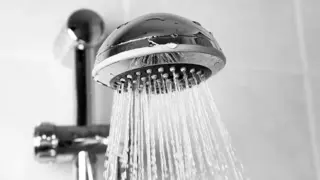
When it comes to high electricity consumption, hot water is right behind heating: it accounts for up to 20% of your annual electricity bill.
Three easy ways to use less hot water:
- Take shorter showers.
- Take showers instead of baths.
- Set the water heater temperature to 60°C.

Did you know?
A half-filled 200-litre bathtub takes 33% more hot water than a 7-minute shower (with a flow of 9.5 litres per minute).
5. Electronic devices: Avoid phantom power
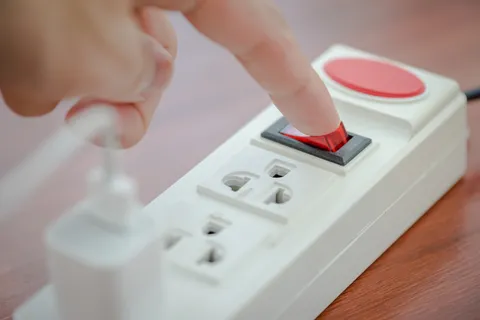
Electronic devices continue to consume electricity even when they're turned off. TVs, game consoles, devices with a clock or a standby mode—in a typical home, 20 to 40 devices continue to draw power when turned off. This is referred to as phantom power.
To eliminate phantom power:
- Unplug devices you rarely use.
- Use a power bar with a switch so you can turn several devices off at the same time.
6. When you cook, use small appliances
Small appliances use much less electricity than a conventional oven. For savings you'll savour, bring out your slow cooker, air fryer or toaster oven or use the microwave!

Did you know?
Electric slow cookers and air fryers use up to 80% less energy than a range.
Other habits that pay off:
- Run your dishwasher only when it's full and let the dishes air dry. Your energy savings could reach 15% to 50% depending on the model.
- Does your oven have a convection option? Be sure to use it! By circulating heated air around the food, this setting reduces cooking time by 30%.
7. Find out how you use electricity and how to use less
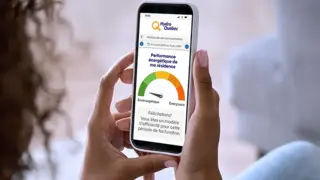
The Energy Performance Indicator in your Customer Space can help you:
- See your hourly consumption.
- Identify your consumption peaks as well as what uses the most electricity.
- Create an action plan by targeting ways to save.
In short
Saving electricity doesn't require sacrifices or investments. With the right tools and a few simple habits, you'll soon see your efforts reflected on your bill!