

The storage capacity of the Great Lakes is 22,950 billion cubic metres of water, or the equivalent of over six million Olympic pools.
Modernization of the Beauharnois-Les Cèdres hydropower complex
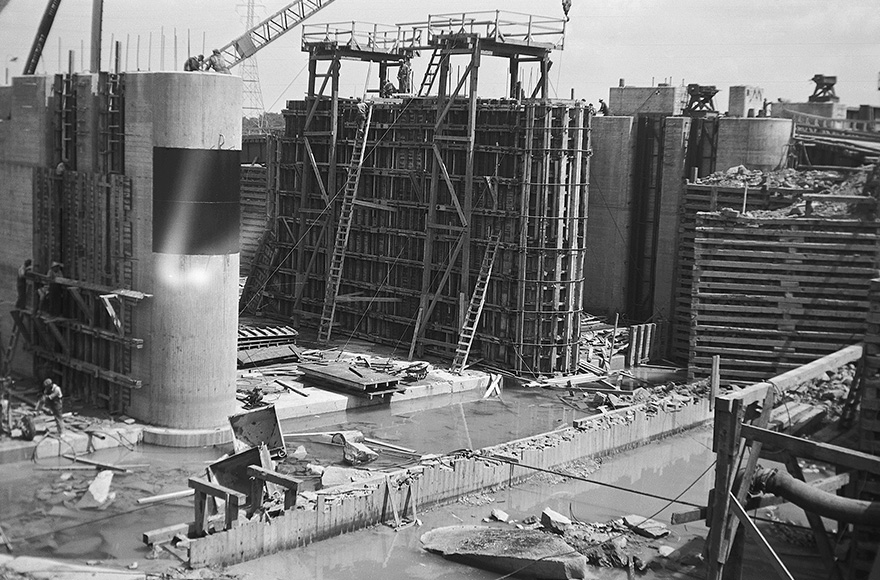
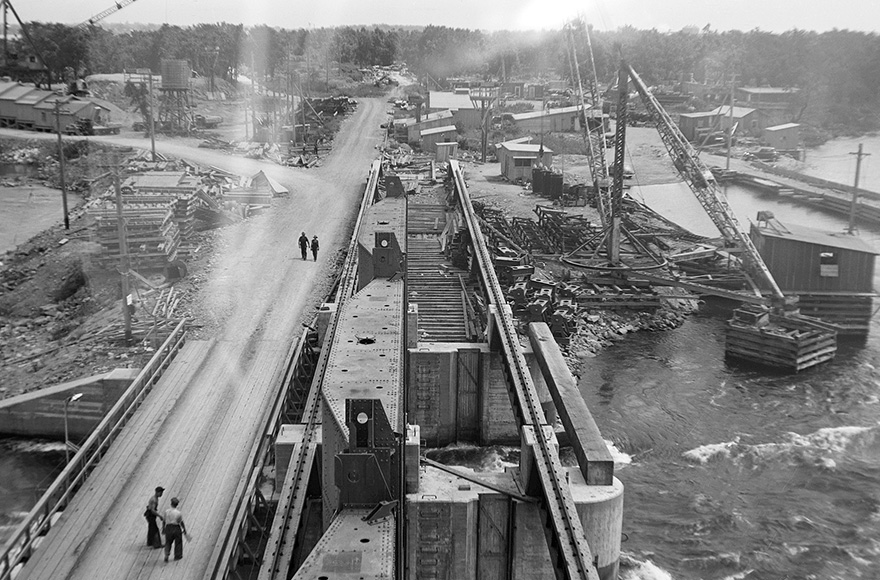
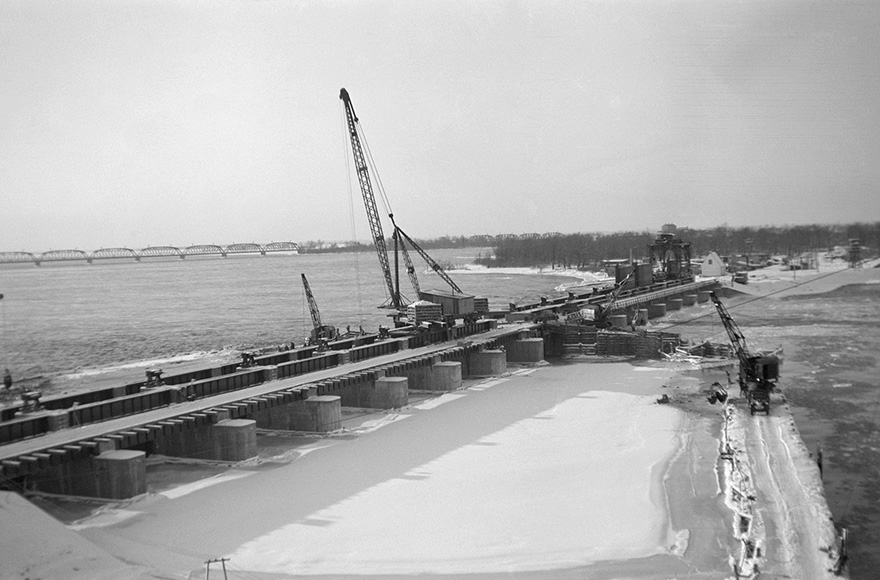
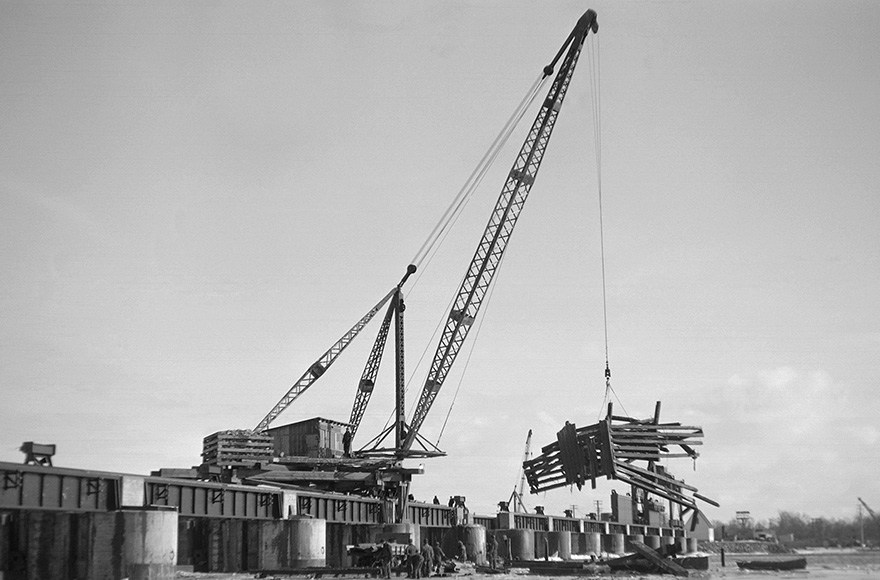
Coteau‑1 and Coteau‑3 dams
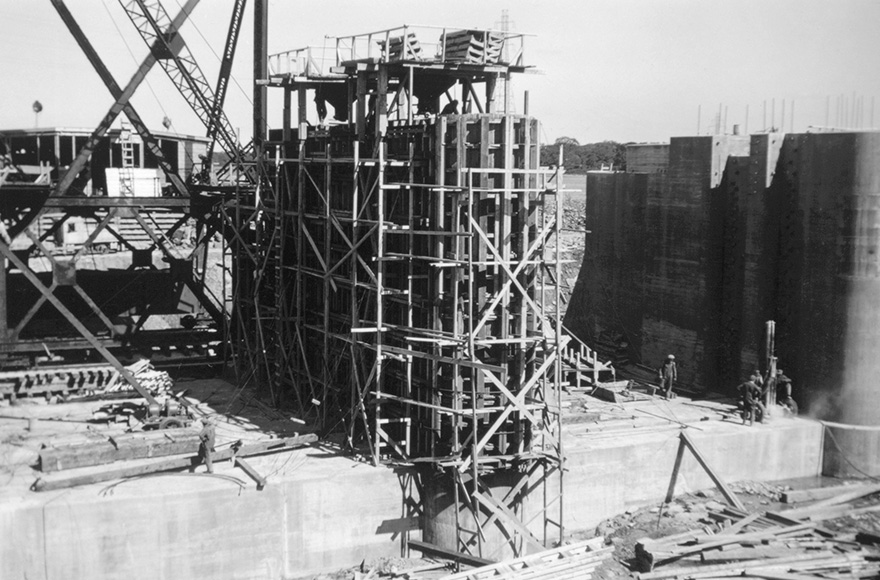
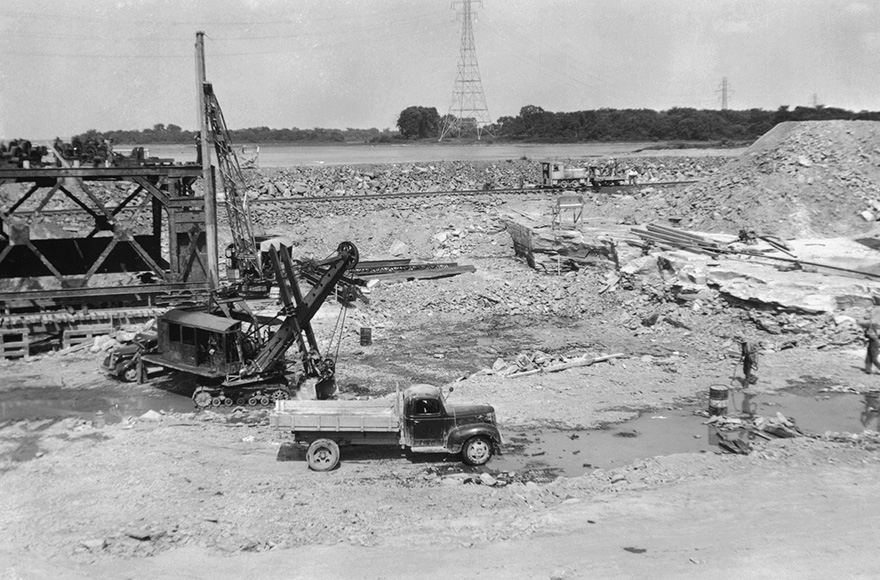
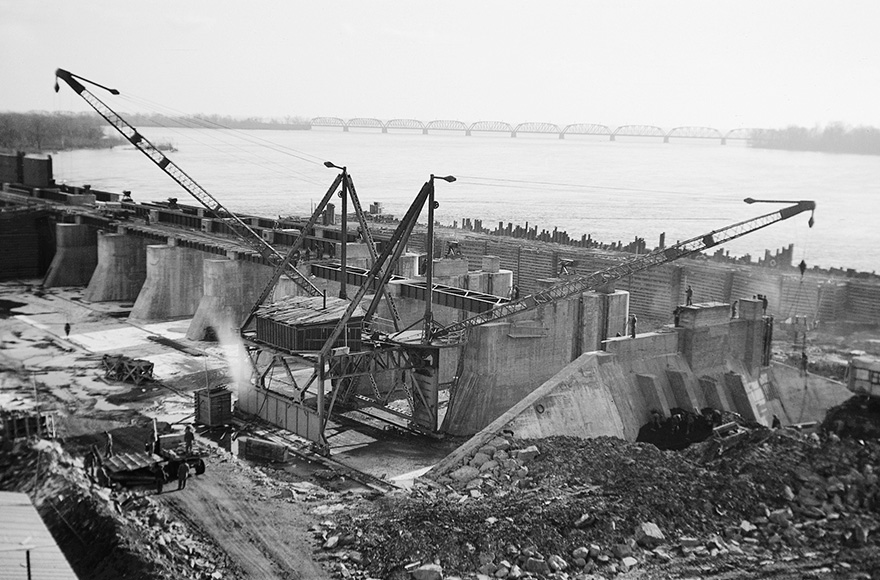
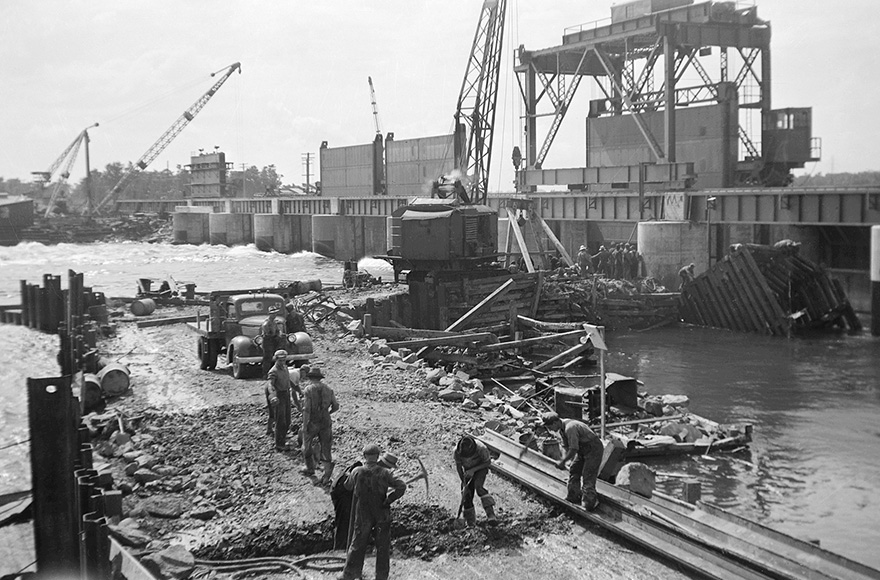
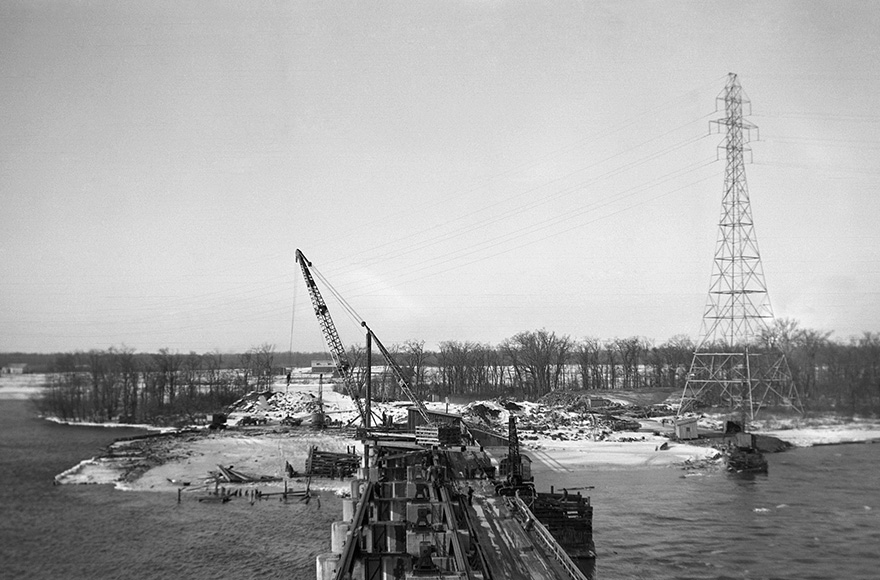
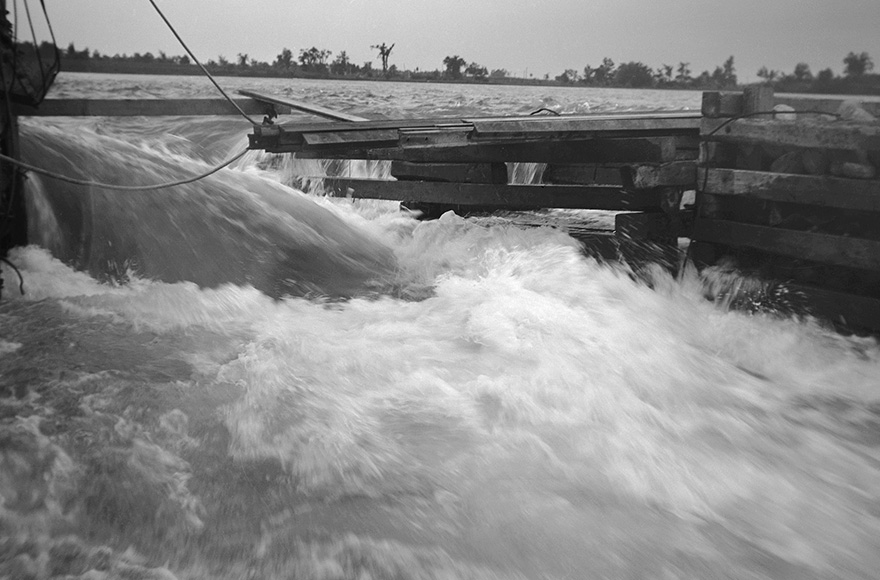
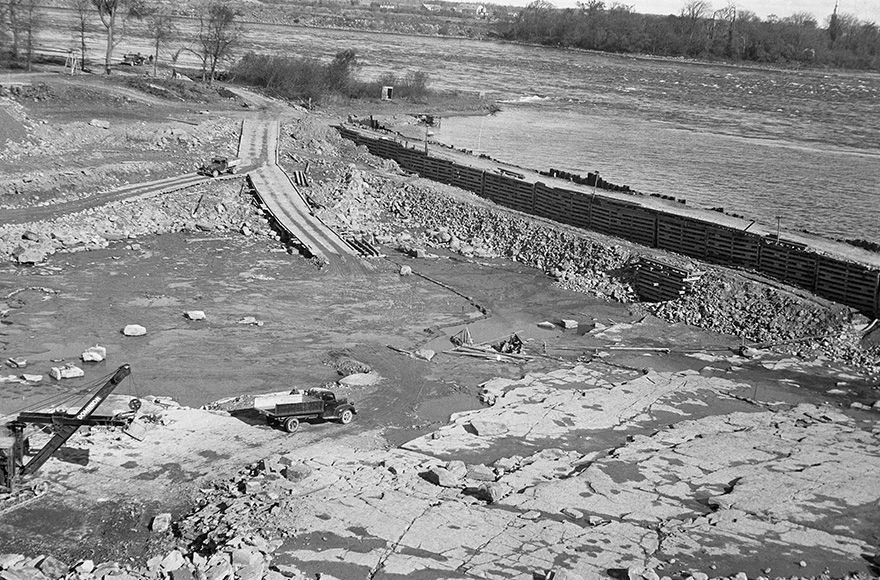
The objectives of this project is to ensure the long-term operability of the dams in accordance with current standards, given that they are close to 100 years old. Hydro‑Québec is currently evaluating several potential refurbishment scenarios.
The draft‑design studies, which are designed primarily to identify the optimal scenario, include the following steps:
- Consult local Indigenous and non-Indigenous communities to develop a project that integrates their goals.
- Coordinate the studies to define the project’s technical content, constraints, permitting requirements and environmental impacts.
- Develop the project execution strategy.
- Identify and manage project risks.
- Develop schedules and project estimates.
The studies will be carried out by multidisciplinary teams that will include experts in structural design, hydraulic and mechanical engineering, electrical equipment, geology, construction methods, environmental protection and health and safety.
For Hydro‑Québec, a top priority is to carry out the draft‑design studies in compliance with environmental protection and health and safety standards while minimizing the impact of the work on facility operation.
Project schedule (these dates could change)
2023‑2029
Draft‑design and public consultation
2029‑2031
Engineering and permitting
2030
Beginning of preparatory work
2031
Beginning of permanent work
Investigation and surveys
Over the next few years, Hydro‑Québec will carry out several studies, investigations and surveys to define and confirm the scope of the project and its potential impacts. However, Hydro‑Québec is already aware that the following activities could have a minimal impact on the environment in the short term.
Impact of refurbishment work:
- Installation of temporary structures to enable work to be carried out (cofferdams, access routes, traffic areas, storage areas and parking lots)
- Increased noise and other nuisances during the work (dust, vibrations, etc.)
- Presence of heavy equipment and traffic in the area of the jobsite
- Temporary closure of the bicycle path crossing the Coteau‑1 and Coteau‑3 structures
Better integration of the facility into the host environment
After nearly 70 years of cohabitation in the area, Hydro‑Québec would like to take advantage of the draft‑design phase to work with all relevant stakeholders to see how the facility can be more harmoniously integrated into its environment.
Below are some of the integration and mitigation measures under consideration:
- Put in place mitigation measures to protect aquatic habitats and species.
- Draft a traffic management plan for safe and smooth jobsite access and to maintain bike paths.
- Contribute to the development of recreational/tourism areas in the vicinity of the dams and structures.
- Conduct a study of development concepts to promote the free movement of fish in the north arm of the Fleuve Saint‑Laurent.
- Adapt certain operating procedures associated with the structures.
The project team will provide many opportunities for discussion with the public and all stakeholders in order to take their current and future needs into account.