Hydroelectric power
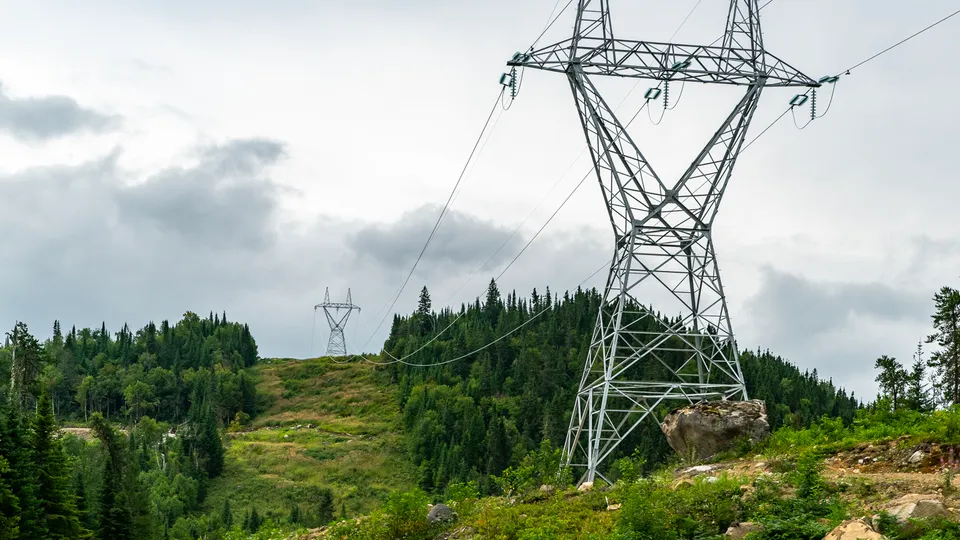
Most of the electricity generated in Québec is produced from hydropower. Harnessing the power of moving water allows us to produce renewable energy that can adapt to demand.
Hydroelectricity: At the heart of Québec’s energy history
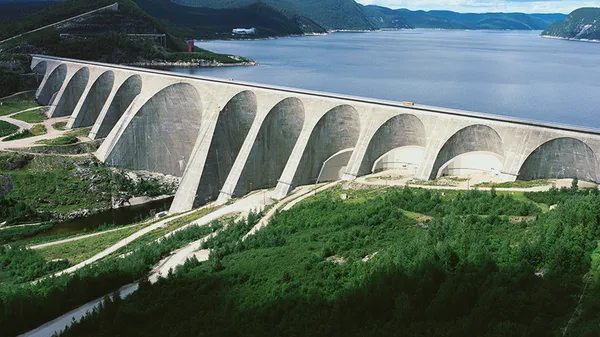
Hydroelectricity has been the cornerstone of Quebec’s energy development for over a century. From the late 19th century onward, communities and early industries harnessed the power of water, gradually shaping a unique energy model in North America.
This historic choice was reinforced with the creation of Hydro-Québec and the development of major hydroelectric complexes. As a result, Québec now enjoys a renewable source of locally generated electricity that’s available at some of the lowest rates on the continent.
Hydroelectricity remains firmly at the core of our operations today. Thanks to Québec’s immense hydraulic resources and the infrastructures we’ve developed over time, we’re in a position to ensure a power supply that is both reliable and sustainable. This legacy will let us continue to meet Québec’s electricity needs while playing a key role in the energy transition and reducing greenhouse gas emissions, both here and among our neighbouring partners.
Key figures
A few figures to illustrate the scope of Québec’s hydroelectric facilities.
+80% of Québec’s energy generation
62 hydroelectric generating stations
28 reservoirs
37,200 MW of installed capacity
Advantages of hydroelectricity
Hydroelectricity has a set of unique advantages: it allows energy to be stored in reservoirs, lets generation be rapidly adjusted based on demand (particularly during peak periods), and enables higher performance without emitting greenhouse gases.
-

A renewable energy source that’s low in GHG emissions
Hydroelectricity harnesses water, a resource naturally replenished by the water cycle. The generation process emits few greenhouse gases and no atmospheric pollutants. As a result, it is one of the lowest-emitting energy sources across its entire life cycle.
-

Flexible generation adapted to demand
Unlike wind and solar power, which depend on weather conditions, hydroelectricity can be adjusted rapidly. Reservoir-based generating stations allow operators to start or modulate output to meet fluctuating demand, particularly during peak periods. This flexibility helps stabilize the power grid and supports the integration of intermittent renewable energy sources.
-

Superior energy performance
Hydroelectricity is a highly efficient way to generate power. Hydroelectric generating stations achieve roughly 93% efficiency—a rate significantly higher than other energy sources. Because energy loss is minimal, it remains one of the most effective solutions for electricity generation.
-

Electricity at stable rates that are among North America’s lowest
Hydroelectric projects require significant upfront investment, but their operating costs are low and stable. This stability makes it possible to provide both households and businesses with electricity at competitive, predictable rates.
Strategy for the coming years
The future of hydroelectricity draws on the clear vision of our Action Plan 2035. This plan guides our efforts to deliver sustainable, renewable energy through a reliable and resilient power grid.
Modernizing and optimizing existing facilities
Our top priority is modernizing our hydroelectric fleet. By boosting performance and extending the lifespan of our generating stations, we can produce more electricity using the infrastructures we already have in place.
Targeted capacity development
We add new hydroelectric capacity only when necessary and after careful consideration. Each project is selected for its contribution to the energy system, with a steadfast commitment to the environment and the communities involved.
Hydroelectricity: A key driver of decarbonization
Hydroelectricity plays a key role in reducing greenhouse gas emissions. It provides a clean alternative to fossil fuels, particularly in transportation, building heating, and industrial operations.
Collaborative development
Our hydroelectric projects are developed in partnership with local and Indigenous communities. This collaborative approach fosters long-term relationships and ensures that economic benefits are shared fairly.
Hydroelectric generating stations
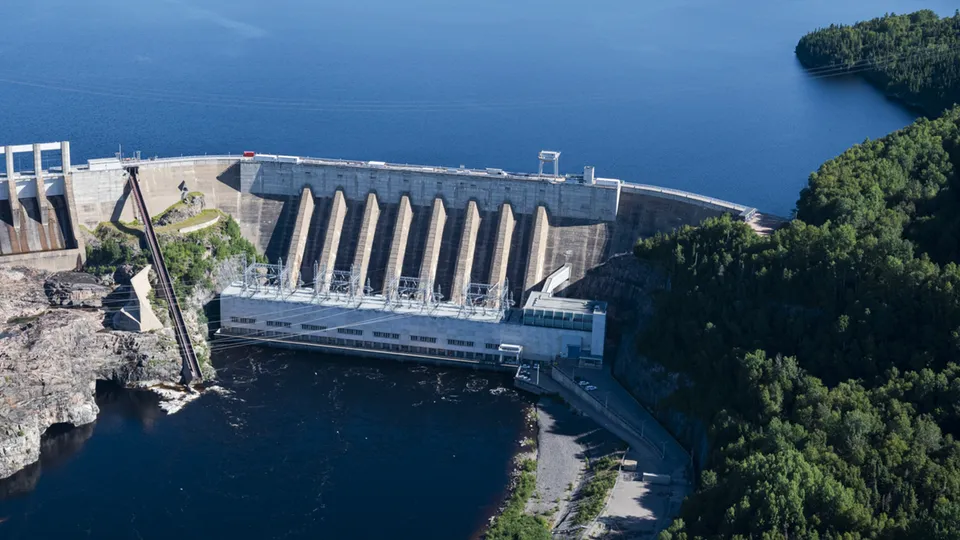
Discover all the hydroelectric generating stations producing electricity in Québec.
Facility upgrades
Hydroelectric generating stations are designed to operate for more than 50 years. However, many require upgrades to keep pace with rising demand, especially during peak periods. Because electricity cannot be stored in large quantities at any given time, these upgrades focus primarily on boosting generation capacity at the right moment, rather than simply increasing the total volume of energy produced.
By modernizing specific generating stations and turbines, we can generate more electricity when it is needed most. These projects will contribute approximately 2,400 MW toward the 4,000 MW goal set out in our Action Plan 2035, significantly strengthening the reliability of our supply.
Explore our construction and modernization projects across Québec.
All construction projectsProjects grounded in sustainable development
Like all our construction and modernization projects, the work carried out at our generating stations is subject to a rigorous environmental assessment process. Our efforts in this regard are backed by impact assessments and environmental monitoring, along with mitigation and compensation measures aimed at preserving biodiversity.
Throughout every stage, we also hold public consultations to ensure the concerns of local and Indigenous communities are heard and addressed. These initiatives are rooted in the principles of sustainable development: they must be economically viable, environmentally sound, and socially acceptable to the communities involved.
To see how these projects are planned and executed, step by step, explore our process from start to finish.