
Generating more for the energy transition
Québec must reduce its greenhouse gas emissions. Hydro-Québec is committed to generating more renewable electricity and helping everyone use energy wisely. Together, we can make the energy transition a reality.

Why is this transition necessary?
-

Decarbonize Québec
Climate change is real, and the energy transition is underway around the world. In Québec, even with our hydropower advantage, 50% of the energy we use still comes from fossil fuels like gasoline, natural gas and oil. To achieve carbon neutrality by 2050, we must electrify transportation, change how we heat buildings and decarbonize industry.
-

Meet growing demand
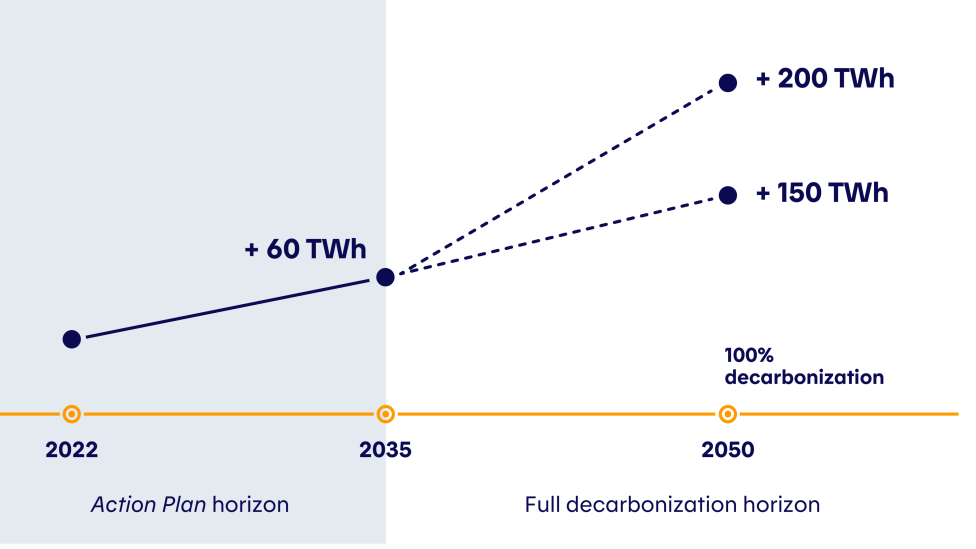
By 2035, demand will rise by 60 terawatthours (TWh). That’s almost double what we use today. Addressing this challenge requires generating more renewable energy and strengthening our transmission system with new substations and high‑voltage lines.
-

A world taking action
All around the world, the energy transition is accelerating. In 2022, more than $1.6 trillion was invested to decarbonize economies, with global needs projected to be $40 trillion by 2030. Québec has a head start thanks to its hydropower and low rates, but it must continue to act to remain at the forefront. Generating more renewable electricity is essential if we are to maintain our position and meet global goals.
-

Benefits for Québec
LThe energy transition isn’t just a challenge: it’s a path to sustainable prosperity. It will support the development of new industrial sectors, create stimulating jobs across Québec and lead to major economic benefits including an increase in GDP that could exceed $100 billion by 2035. Generating more renewable electricity also gives Québec the means to achieve its economic ambitions.
Between 150 and 200 additional TWh. That’s how much electricity Québec will need for a successful energy transition‑nearly twice the power grid’s current capacity. To get there, we must generate more renewable electricity and use it wisely.
Projected trajectory of electricity demand by 2050
Why is there a range in the 2050 forecast? Because the trajectory of electricity demand growth depends on several factors that vary over time, such as technology maturity, the availability of renewable energy in neighboring markets, and consumption habits.
Our Action Plan
To meet the growing needs created by the energy transition, we introduced the Action Plan 2035, an ambitious roadmap to generate more renewable electricity, upgrade the power system and support the transition.
-
Improve service reliability
Upgrade the power system to reduce the frequency and duration of outages and provide reliable service at an affordable cost.
-
Promote more efficient energy use
Help customers consume less electricity and use it wisely.
-
Generate more renewable energy
Develop hydro, wind and solar power.
-
Partner with Indigenous communities
Build lasting partnerships with First Nations and Inuit, in collaboration with the Québec government.
-
Innovate and operate with transparency
Simplify our processes and accelerate the transition in order to better meet our customers’ needs.
How will we generate more?
To meet the growing demand for electricity, we are upgrading our generating stations and launching new projects driven by diversified energy sources. We are also investing $45 to $50 billion to upgrade the transmission system and connect equipment. More specifically, our solutions to generate more by 2035 include:
Hydropower
Increase the capacity of our existing generating stations, innovate by rolling out new technologies, including pumped‑storage generating stations and build new facilities.

Wind power
Harness the energy generated by wind and support wind farm development to add 10,000 MW—enough electricity to supply the equivalent of more than two million homes.

Solar power
Support solar farm development and solar panel installation to integrate hundreds of megawatts as a complement to hydropower and wind power and explore new energy storage technologies.

The energy transition: A collective effort
Making the energy transition a reality will require more than generating additional electricity: we must also ensure that we use electricity more efficiently. Optimizing energy use in homes and businesses will meet more than 10% of Québec’s new energy needs. This will help limit the number of new projects and allow us to make full use of the energy already generated.
Doing your part and saving energy
At home, every little bit helps. Using less energy (and lowering your bill!) is simple with our offers like Rate Flex D and Hilo, which help you save in winter.
Businesses take action
In 2022, our tailored solutions generated big energy savings for hundreds of businesses—savings amounting to the energy it would take to supply 23,000 homes for a whole year!
Technology working for us
We rely on innovation to reduce energy waste. One example is the development of a smart grid that optimizes electricity distribution and consumption.